
Under the umbrella of its Regenerative economy theme, DOEN is working towards a system that not only reduces harm to nature and society but actively contributes to their recovery. Interest in this theme increased in 2025, even as conditions grew more challenging. Declining sustainability ambitions and scarcer funding are making things harder for impact-driven entrepreneurs. We continue to support these pioneers. We funded 45 projects in 2025, from Dutch pioneers to international partners.
Building the blue economy
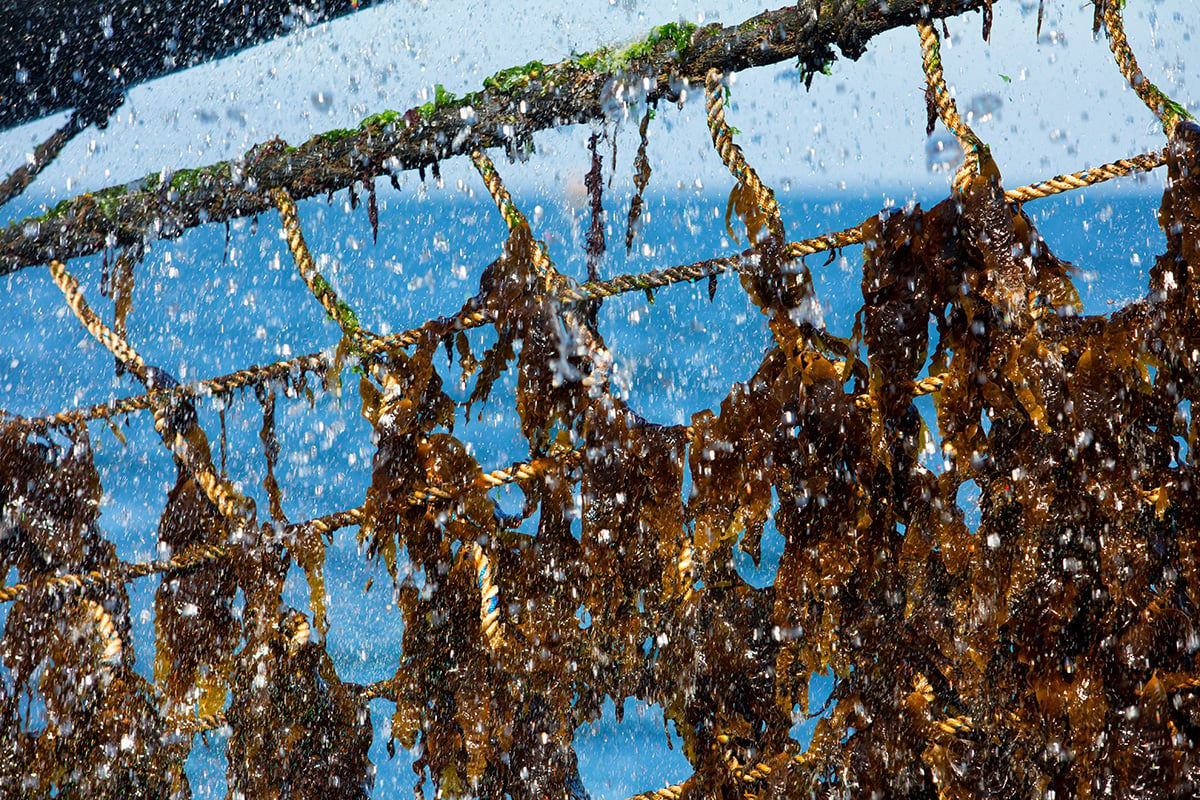
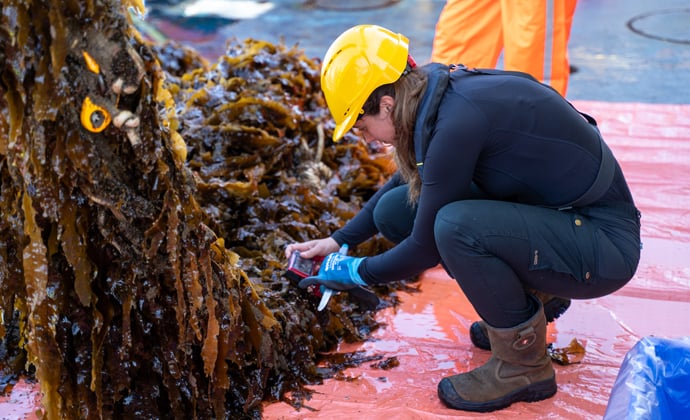
The regenerative blue economy was a key priority in 2025. The sector is in its infancy but holds great promise for ocean restoration and presents new economic opportunities. We’ve put together a portfolio of nine partners, including the European Seaweed Association, which is working to develop a sustainable seaweed sector in Europe. And pioneers are developing new applications; for example, Zeefier produces sustainable seaweed-based textile dyes.
Read more about the blue economy
Sustainable products for everyone
Many sustainable entrepreneurs find it difficult to scale up in a market where green still isn’t the norm. In 2025, we focused more specifically on initiatives that make eco-friendly products accessible to a wider group of people. The Fair Future Challenge gave Dutch start-ups and scale-ups a boost to help them break into the consumer market. Five winners received €100,000 each, along with widespread media coverage.
We’ve also invested in two Fair Future Challenge participants: NoWa and Food for Skin. They’re showing that sustainable alternatives can be attractive as well as accessible to a wider market.

Focusing on circular business practices
Circular business practices remained an important area of concern. We learned more about construction initiatives in the Netherlands and supported solutions to the growing electronic waste problem in East Africa. We’re using the insights gained in our continued efforts to promote what we call circularity by design – developing products and systems with a focus on materials reuse and conservation.
Learning and growing together
The transition to a regenerative economy requires cooperation and knowledge sharing. In 2025, we actively sought dialogue with other funds and investors. By sharing experiences and working together, we can strengthen individual initiatives as well as the broader push towards a regenerative economy.