
DOEN focuses on facilitating to accelerate four major system transitions. These transitions guide the decisions DOEN makes.
1. The transition from a linear to a circular economy
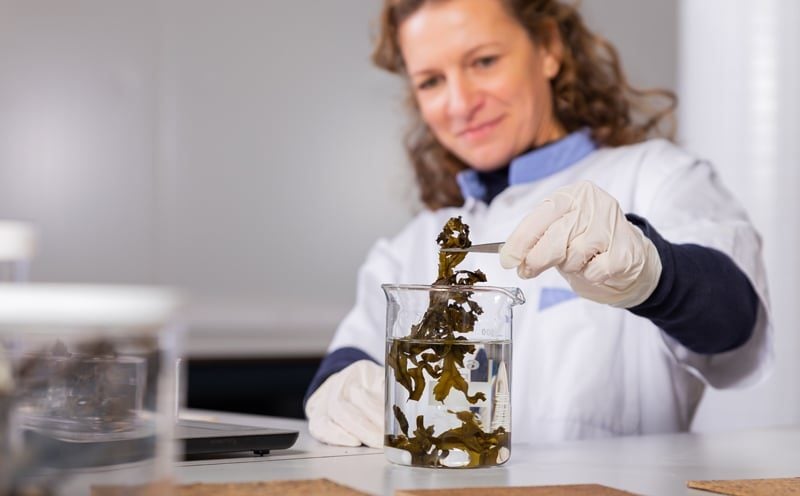
Our current economic system – a linear economy – is based on using raw materials to make products that are subsequently discarded. We need to move from a linear to a circular economy, in which products are designed in such a way that raw materials are reused. There is a growing awareness worldwide that focusing solely on the reduction and reuse of raw materials is no longer sufficient; we must also work on recovery.
2. The transition from growing inequality to a world where everyone participates and counts
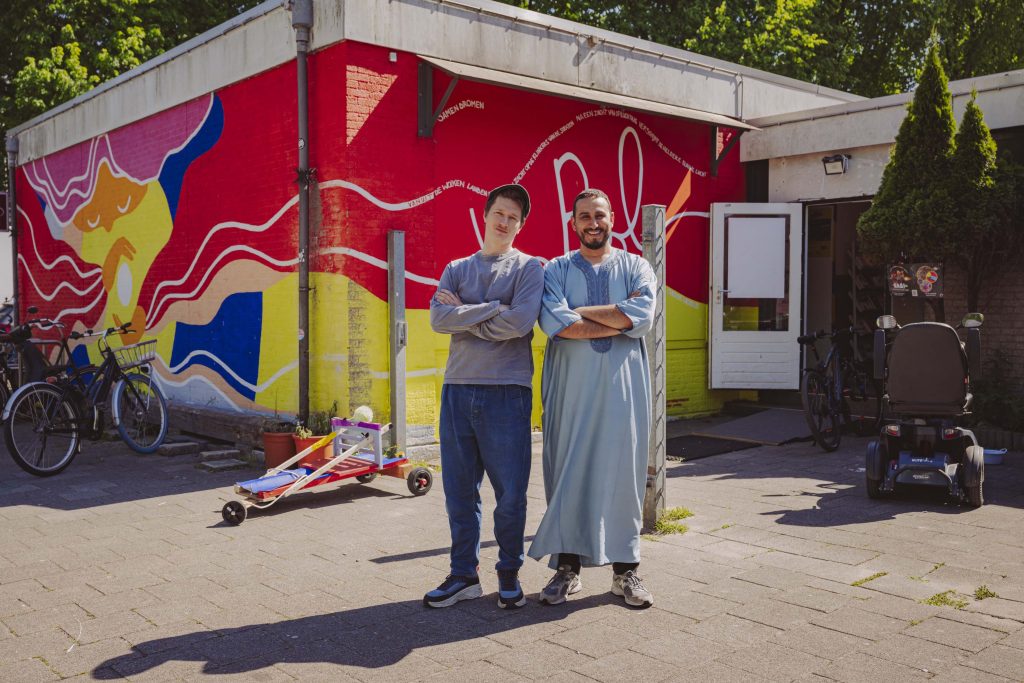
DOEN is striving for a socially inclusive world in which everyone feels a sense of belonging and diversity is seen as enrichment. We are working towards a society in which solidarity is the new normal, one that connects people and offers all citizens truly equal opportunities, including access to a sustainable way of living and meaningful work.

3. A society that puts the commons first
DOEN has seen that citizen collectives are able to put the commons first. They find practical solutions to major societal challenges at the local level, for example by setting up energy cooperatives and neighbourhood businesses and working with alternative ownership models. Their projects may be highly local, but they can have a far-reaching impact